 Skip to content
BOTOX® Cosmetic FDA-Approved for Platysma Bands
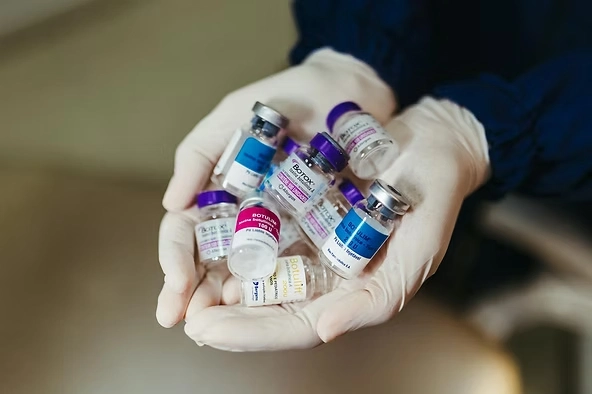
The Only Product of Its Kind Approved for Use in Four Aesthetic Indications: Temporary Improvement in the Appearance of Moderate to Severe Forehead Lines, Frown Lines, Crow’s Feet Lines, and Now Platysma Bands in Adults1-5 With this Approval, BOTOX® Cosmetic is the First and Only Aesthetic Neurotoxin Product to Temporarily Improve the Appearance of Moderate to Severe Vertical Bands Connecting the Jaw and Neck (Platysma Bands) in Adults1-5 IRVINE, Calif., Oct. 18, 2024 /PRNewswire/ — Today, Allergan Aesthetics, an AbbVie company (NYSE: ABBV), announced the U.S. FDA approval of BOTOX® Cosmetic for temporary improvement in the appearance of moderate to severe vertical bands connecting the jaw and neck (platysma bands) in adults.1 BOTOX® Cosmetic is the first and only product with four aesthetic indication areas: forehead lines, frown lines, crow’s feet lines, and now platysma bands, making it the first product of its kind to go beyond the face.1-5 “Research shows millions of consumers in the U.S. are extremely or very bothered by their platysma bands.6* Until now, treatment options have been limited and with this approval, there is a nonsurgical, injectable option to temporarily improve the look of vertical bands connecting the jaw and neck,” said Darin J. Messina, Ph.D., Senior Vice President, Aesthetics R&D at Allergan Aesthetics. “This fourth indication for BOTOX® Cosmetic represents true innovation. We’re excited to open new doors for patients and providers, helping them to achieve their aesthetic goals.” The platysma muscle is a thin muscle that covers the neck and extends over the lower face. When this muscle is contracted it can cause the appearance of bands on the neck, which can also create a less defined jawline. Treatment with BOTOX® Cosmetic works beneath the surface to temporarily reduce the underlying muscle activity and improves the appearance of the bands connecting the neck and jaw.1 By injecting along the jawline and the vertical bands connecting the jaw and neck with one of the FDA-approved doses of BOTOX® Cosmetic based on severity—26, 31, or 36 units—BOTOX® Cosmetic temporarily reduces underlying muscle activity.1 Patients are encouraged to speak to their licensed aesthetic specialist to determine if treatment is right for them. “In my practice, the neck and lower face are always a standard part of my comprehensive aesthetic consultation. Many of my patients are often surprised by the significant impact that changes in these areas can have,” said Dr. Terrence Keaney, board-certified dermatologist and pivotal clinical trial investigator. “With the approval of BOTOX® Cosmetic for the treatment of platysma bands, including precise injection patterns and dosing, I can now confidently offer my patients a treatment option that can help deliver the results they are looking to achieve.” In Phase III clinical studies, the primary endpoint was met, demonstrating statistical significance for the improvement in appearance of platysma bands from baseline with BOTOX® Cosmetic versus placebo (p<0.0001).† This measure was based on both investigator and subject assessment. All secondary endpoints were met, as measured by multiple validated, proprietary patient-reported outcome (PRO) instruments.1 For example, in two clinical studies, a majority of patients (65% and 62%) reported being “Very Satisfied” or “Satisfied” (top two out of five responses) with the appearance of their neck and jawline definition 14 days after treatment with a dose of 26, 31, or 36 units of BOTOX® Cosmetic, compared to 12% in both studies with placebo. Patients interested in learning more about BOTOX® Cosmetic for platysma bands are encouraged to enroll in Allē, the Allergan Aesthetics loyalty rewards program. In serving more than seven million Members across ~30,000 practices to date, part of Allē’s mission is to help educate consumers about aesthetic treatments and to simplify office operations for practices. From its inception, Allē has disrupted the aesthetics industry by offering the most robust rewards program. Allē is the first and only loyalty program in the aesthetics market to also offer consumers the ability to earn points on over 50 non-Allergan Aesthetics treatments and brands. By providing Members with information, tools, and incentives, and now with flexible ways to pay through Allē Payment Plans powered by Cherry‡, Allē empowers consumers along their treatment journey, making the next product purchase or treatment closer within reach. To learn more about BOTOX® Cosmetic, visit www.botoxcosmetic.com and follow @botoxcosmetic on social media. *Nine million based on 2021 U.S. Census Projections: calculated from 2021 total population projections from a survey of 15,295 participants of which 3.8% indicated they were “Very” or “Extremely Bothered” (top two out of five responses) by their platysma bands.6 †Primary endpoint was a multi-component ≥ 2-grade improvement based on both Investigator and Subject assessments of Platysma Band Severity at maximum contraction at day 14: 32% (n=63) vs 2% placebo (n=4) in Study 1; 31% (n=64) vs 0% placebo (n=0) in Study 2.1 BOTOX® Cosmetic (onabotulinumtoxinA) Important Information Indications BOTOX® Cosmetic (onabotulinumtoxinA) is indicated in adult patients for the temporary improvement in the appearance of: – Moderate to severe glabellar lines associated with corrugator and/or procerus muscle activity- Moderate to severe lateral canthal lines associated with orbicularis oculi activity- Moderate to severe forehead lines associated with frontalis activity- Moderate to severe platysma bands associated with platysma muscle activity IMPORTANT SAFETY INFORMATION, INCLUDING BOXED WARNING WARNING: DISTANT SPREAD OF TOXIN EFFECT Postmarketing reports indicate that the effects of BOTOX® Cosmetic and all botulinum toxin products may spread from the area of injection to produce symptoms consistent with botulinum toxin effects. These may include asthenia, generalized muscle weakness, diplopia, ptosis, dysphagia, dysphonia, dysarthria, urinary incontinence, and breathing difficulties. These symptoms have been reported hours to weeks after injection. Swallowing and breathing difficulties can be life threatening and there have been reports of death. The risk of symptoms is probably greatest in children treated for spasticity, but symptoms can also occur in adults treated for spasticity and other conditions, particularly in those patients who have an underlying condition that would predispose them to these symptoms. In unapproved uses and approved indications, cases of spread of effect have been reported at doses comparable to those used to
Exploring the Connection: Can Botox Really Impact Mood and Depression?
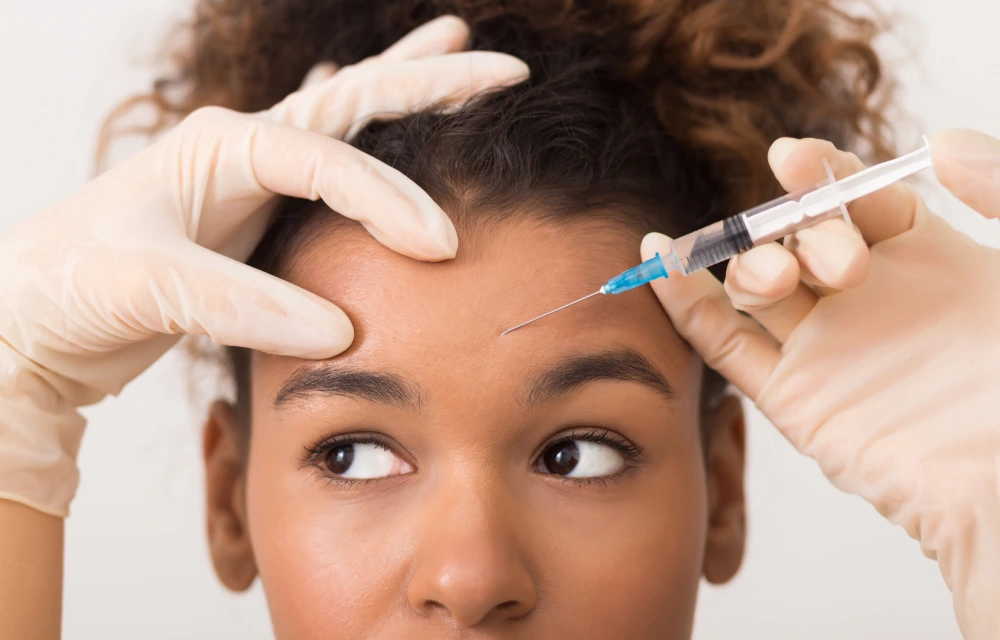
The benefits of Botox and finally removing the stigma of getting it. The amount of Botox injections given has increased by nearly 459% since 2000. What is Botox? Botulinum toxin is a potent neurotoxin, meaning it damages or impairs the functioning of the nerves. Produced by several bacteria (mainly Clostridium botulinum), botulinum toxin is responsible for a rare but sometimes deadly disease called botulism (e.g., foodborne botulism). Foodborne botulism, of course, is usually associated with improperly canned food. The mechanisms of botulinum toxin’s actions are complex. Put simply, they involve preventing the release of the neurotransmitter acetylcholine at the neuromuscular junction, where muscle cells and motor neurons meet. The action of the toxin can have dangerous consequences, especially when it results in blocking the transmission of messages between nerves and important muscles, such as those that help us breathe. But what if we injected a small amount of the toxin into the muscles responsible for, say, frown lines? Indeed, many people are aware of the uses of this toxin for cosmetic purposes (as OnabotulinumtoxinA injections, known as Botox), such as for relaxing and softening the muscles that cause facial wrinkles. What some people may not know is that Botox injections are also used for the management of other conditions including hyperhidrosis (excessive sweating), migraine headaches, urinary incontinence, certain eye conditions (e.g., lazy eye, eye twitching, crossed eyes), as well as other types of excessive muscle contraction and stiffness (e.g., cervical dystonia, which is a painful type of neck spasm). How does Botox influence mood and depressive symptoms? A newer use of Botox injections has been in the treatment of depression. Yes, depression. For instance, the results of a randomized, placebo-controlled trial, published in 2014, showed that Botox injections into facial muscles (the corrugator and procerus muscles) reduced depressive symptoms. The response rate (50% or greater reduction in Montgomery-Asberg Depression Rating Scale scores), measured six weeks after the injections, was 15% in the placebo injections group but 52% in the Botox injection group. So, how might Botox injections reduce depression? One explanation, called the facial feedback hypothesis, involves how changes in facial expressions affect the brain. For example, when we frown, we are more likely to evaluate unpleasant stimuli (e.g., a picture of a couple arguing) more negatively than usual. Indeed, contracting facial muscles (e.g., muscles used for the emotional expression of rage or pain) can affect the autonomic nervous system activity, resulting in changes in sweating, blood pressure, heart rate, etc. Botox injections might interfere with these effects. How? By signaling to trigeminal nerve endings in the face—nerves potentially involved in sensing muscle tension and pain—“a relief of physical stress, resulting in decreased emotional stress.” In short, Botox injections break up the feedback loop from certain facial muscles—muscles communicating to the brain that one is feeling angry, sad, miserable, etc. Note that other mechanisms for the positive effects of Botox on depression have also been suggested. These consist, among others, of the effects of Botox on the central nervous system via various direct and indirect pathways, more positive self-awareness (greater self-confidence and satisfaction due to improved appearance), and altered social interactions (e.g., those appearing more relaxed and happy being more approachable).